
Albert Hall
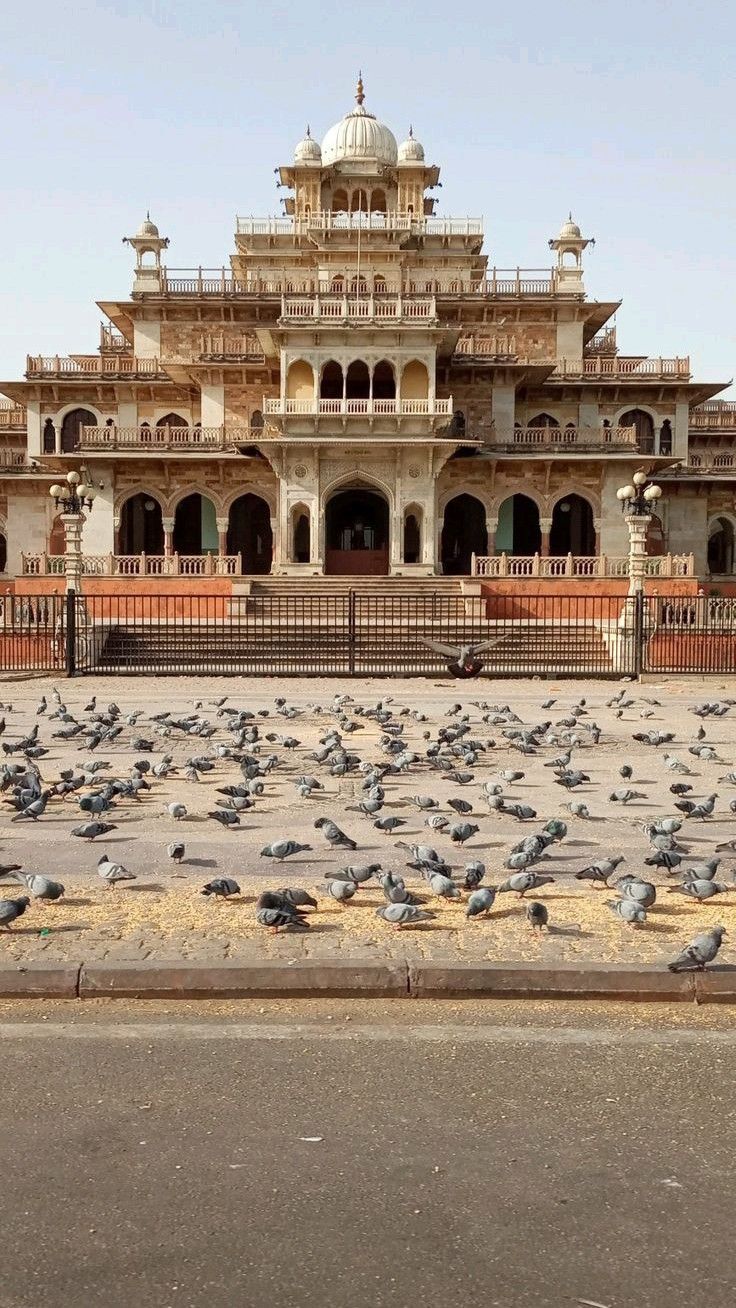
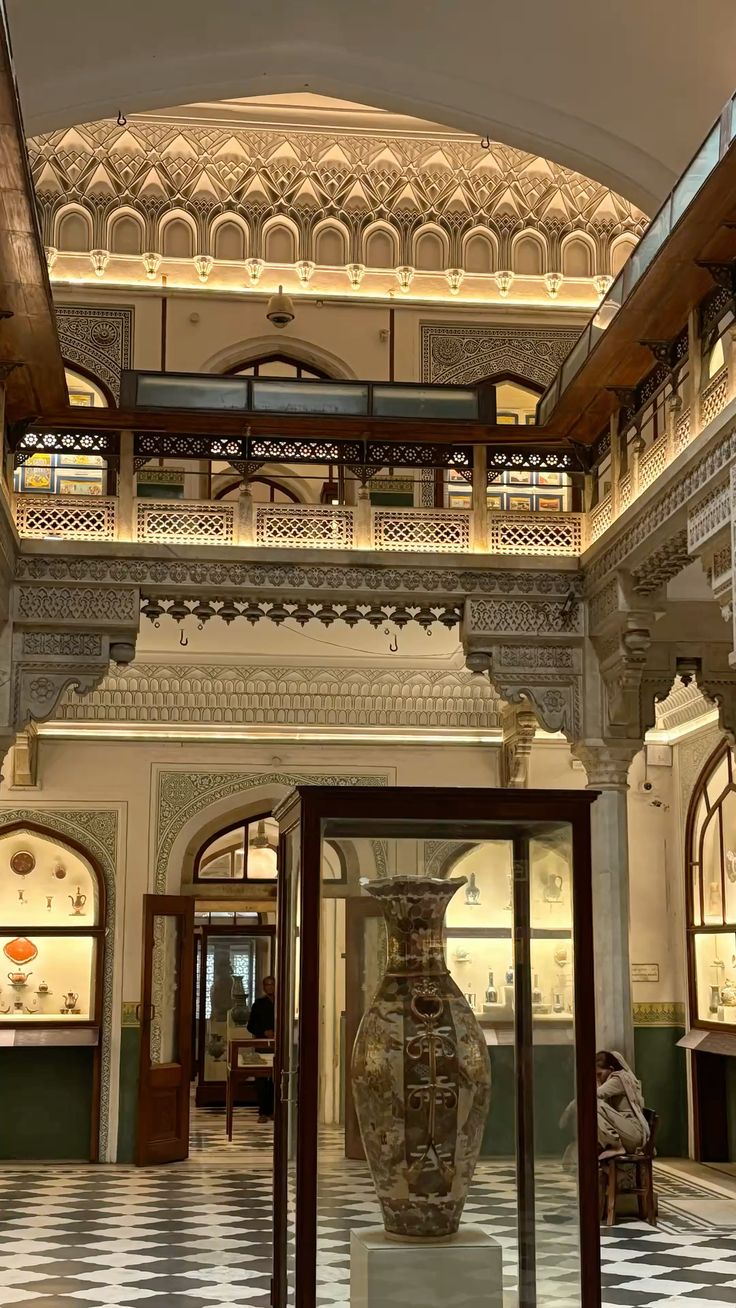
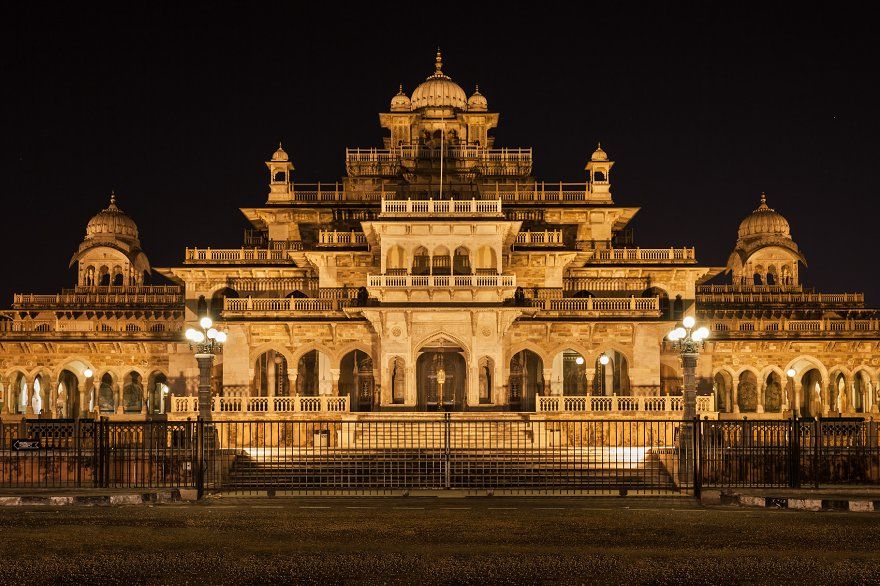
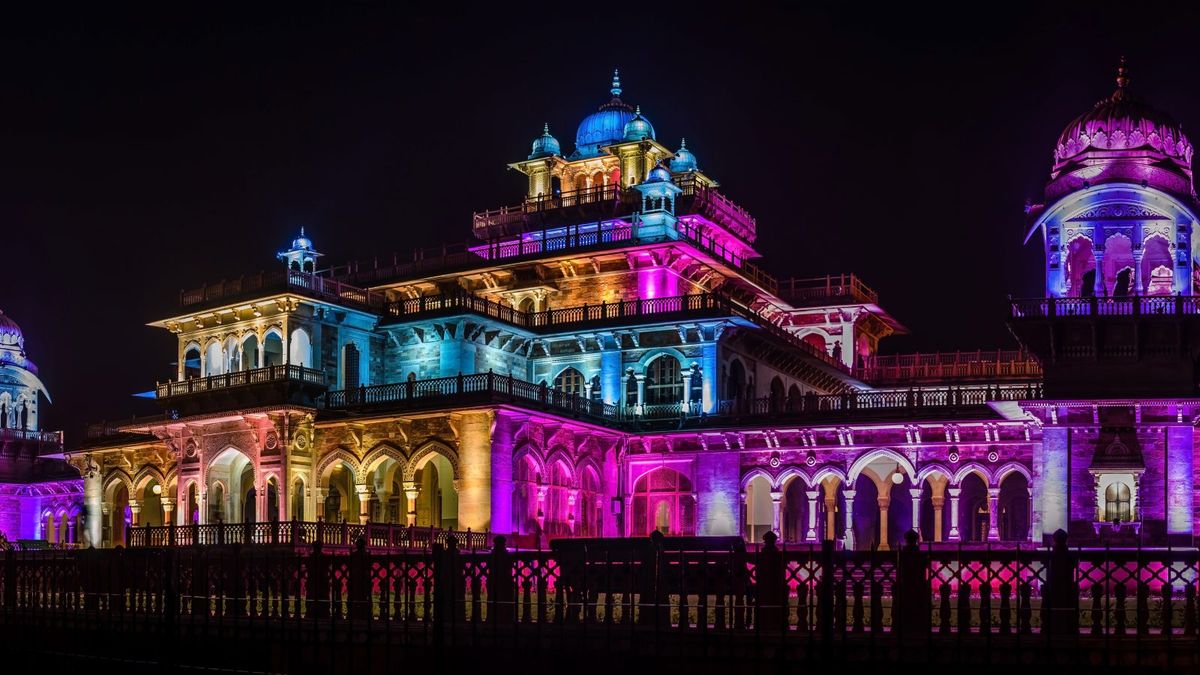
Albert Hall Museum, Rajasthan’s oldest museum, is also one of Jaipur’s finest examples of Indo-Saracenic architecture. Situated within the picturesque Ram Niwas Garden, the museum was constructed during the rule of Maharaja Sawai Ram Singh II and inaugurated in 1887. It was named in honor of Prince Albert Edward, who later ascended to become King Edward VII of the United Kingdom. Built from sandstone and marble, Albert Hall Museum showcases majestic arches, detailed carvings, graceful corridors, and ornately painted ceilings that embody a fusion of Rajput, Mughal, and European architectural influences. The museum is equally notable for its architecture as for its historical significance. Inside, the museum features a vast array of artifacts that highlight Rajasthan’s rich cultural heritage. Visitors have the opportunity to view ancient sculptures, miniature paintings, royal attire, carpets, musical instruments, pottery, metalwork, weaponry, and traditional jewelry. One of its most renowned attractions is an Egyptian mummy, captivating the curiosity of many tourists. The museum also exhibits artworks and handicrafts from various parts of India, providing a glimpse into the nation’s artistic heritage and royal past. At night, the building is bathed in golden lights, turning it into one of Jaipur’s most picturesque landmarks.