
Jantar Mantar
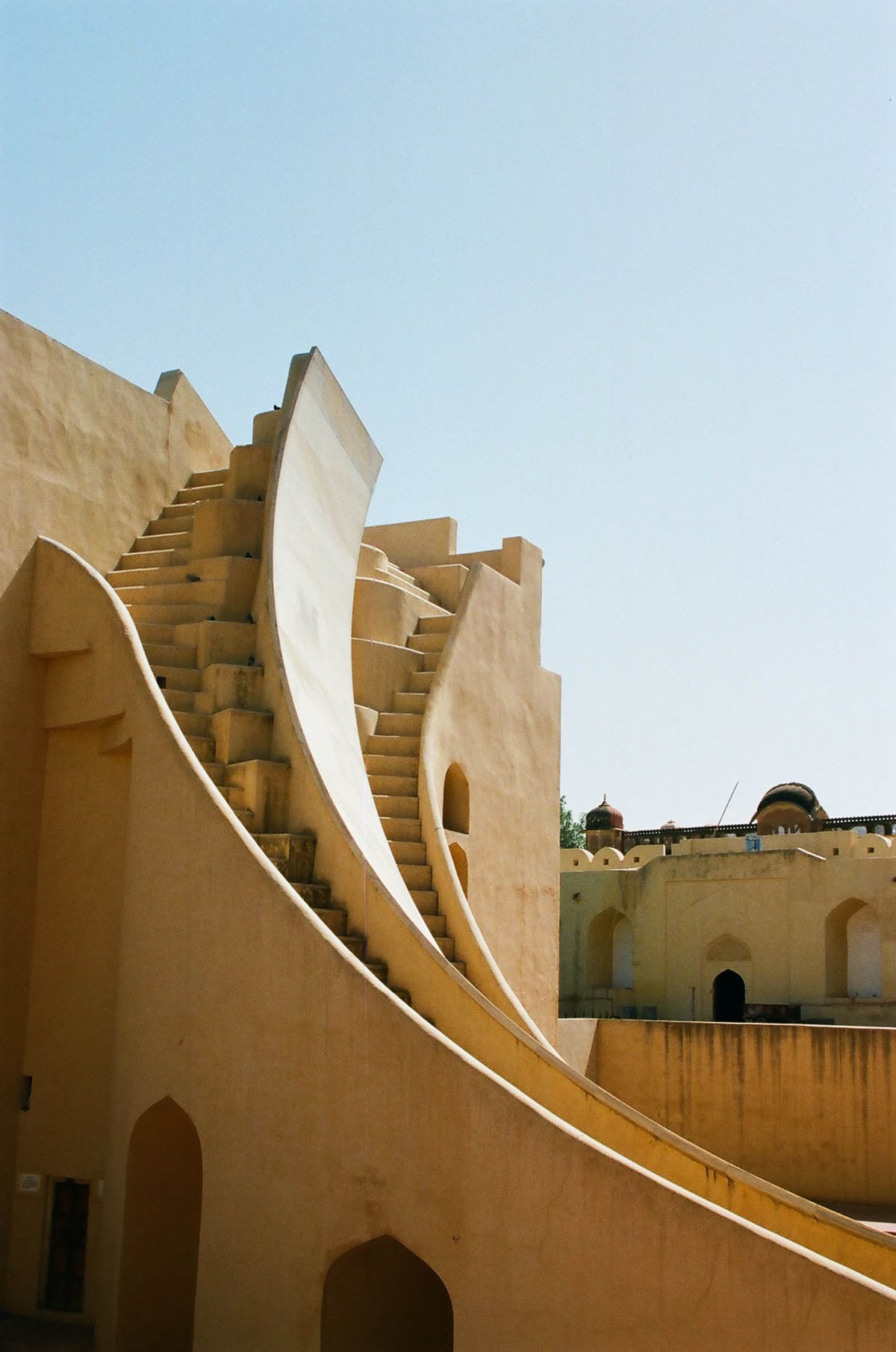
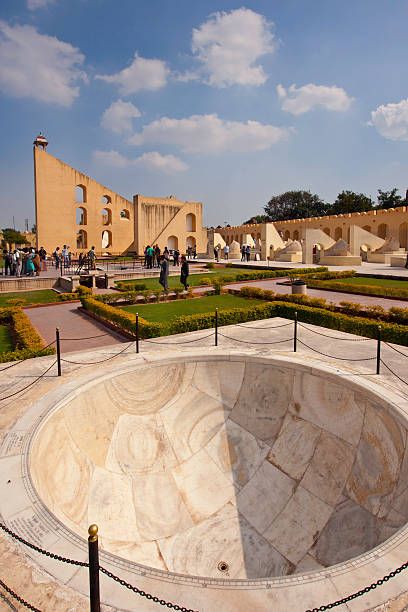
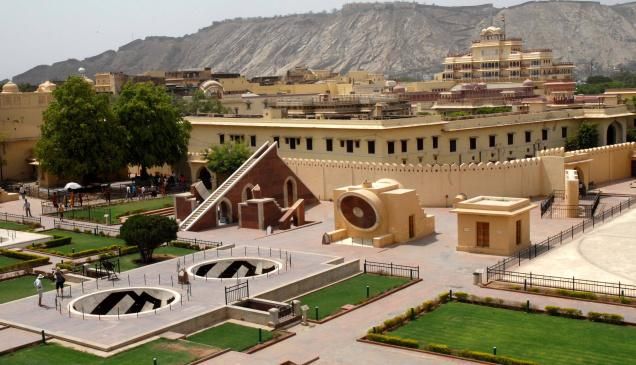
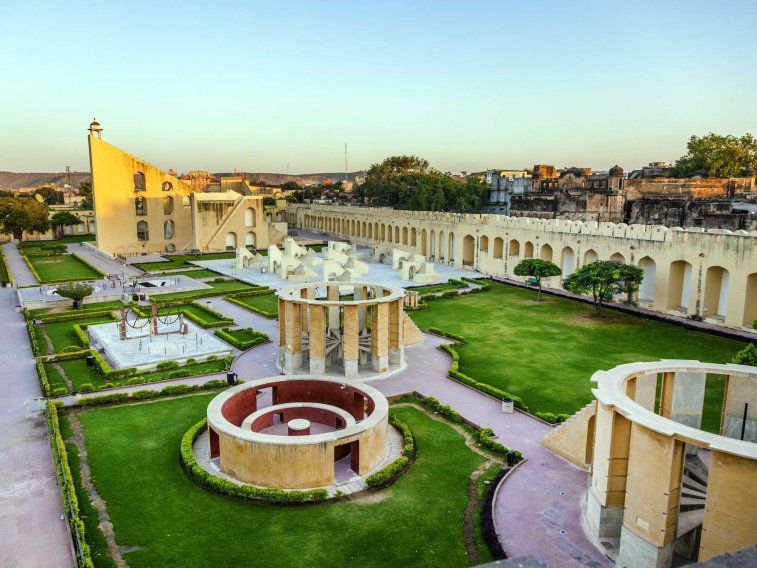
Jantar Mantar is a UNESCO World Heritage Site and one of the world’s most impressive astronomical observatories, situated in the center of Jaipur. Constructed in 1734 by Maharaja Sawai Jai Singh II, founder of Jaipur, the observatory showcases India’s sophisticated scientific understanding and profound fascination with astronomy in the 18th century. The site houses a set of nineteen large astronomical instruments crafted from stone and marble, built to observe celestial bodies with exceptional precision. These instruments were employed to measure time, monitor the movements of stars and planets, forecast eclipses, and explore astronomical computations well before modern technology emerged. Among the most renowned structures at Jantar Mantar is the Samrat Yantra, the world’s largest stone sundial, renowned for its ability to measure time with remarkable accuracy. Other significant instruments are the Jai Prakash Yantra and Ram Yantra, each designed for distinct astronomical functions. The observatory merges science, architecture, and geometry into a visually compelling design, featuring large curved forms and symmetrical layouts across open courtyards. Maharaja Jai Singh II built comparable observatories in other Indian cities, though the Jaipur observatory remains the largest and best preserved of the group.