
Hawa Mahal
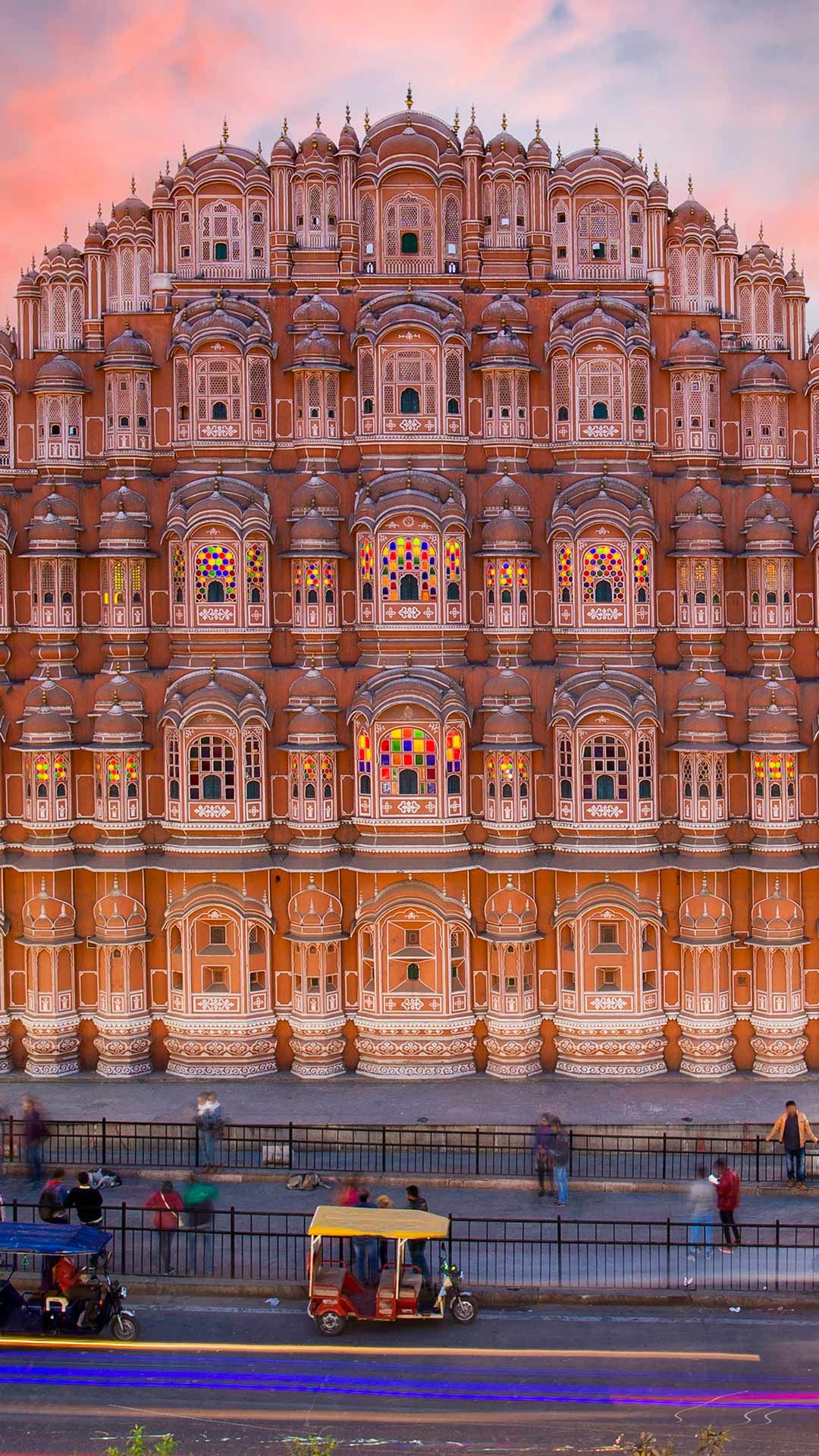
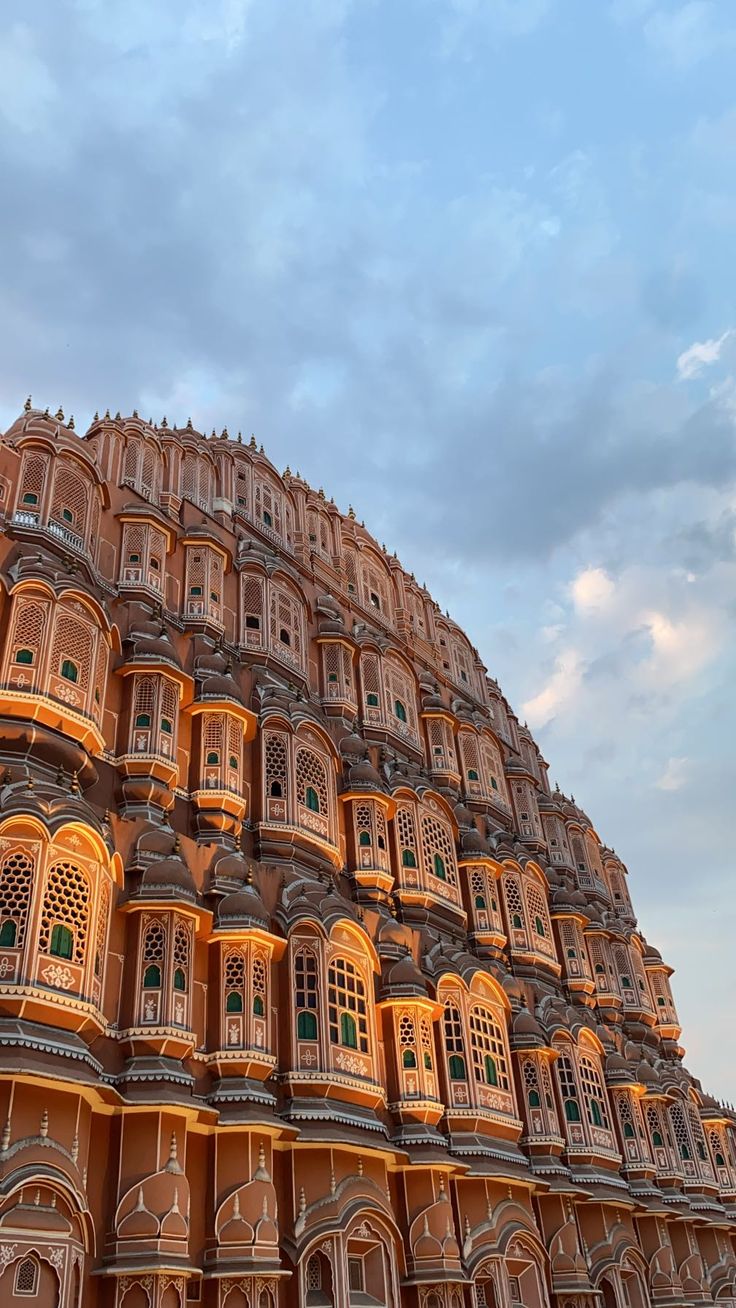
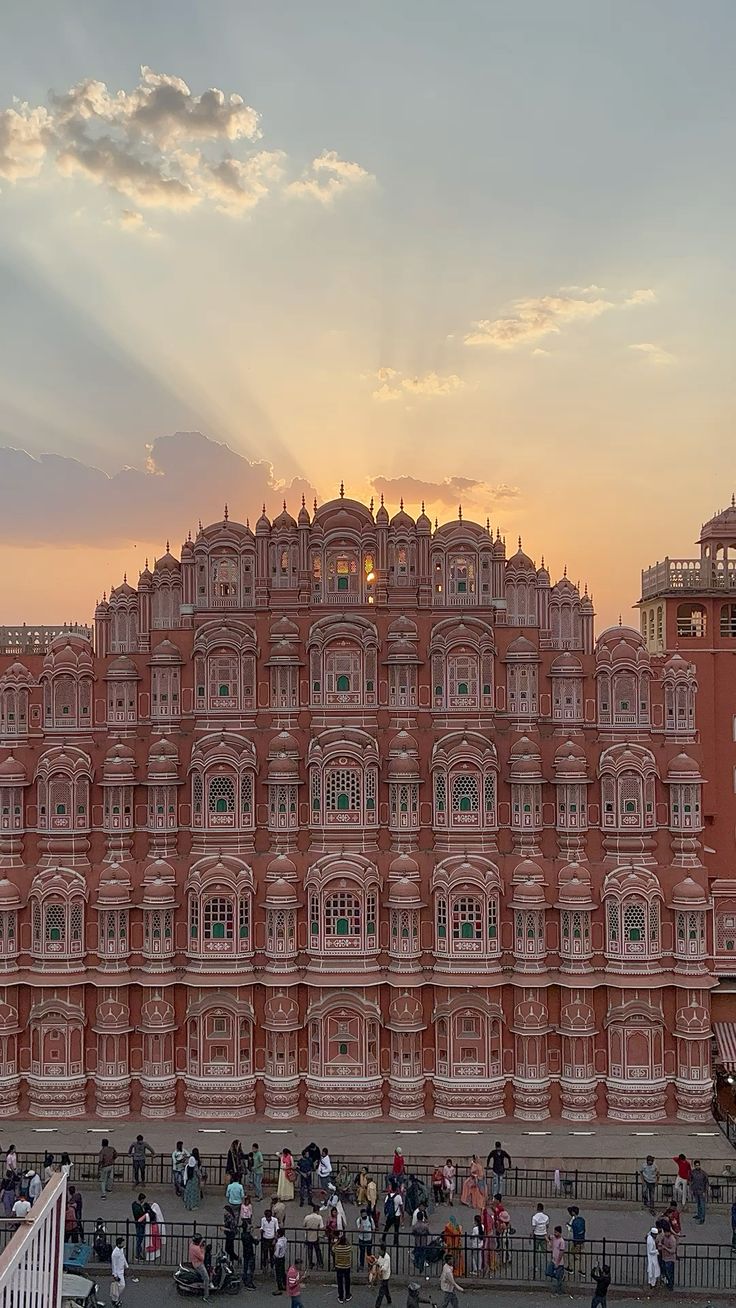
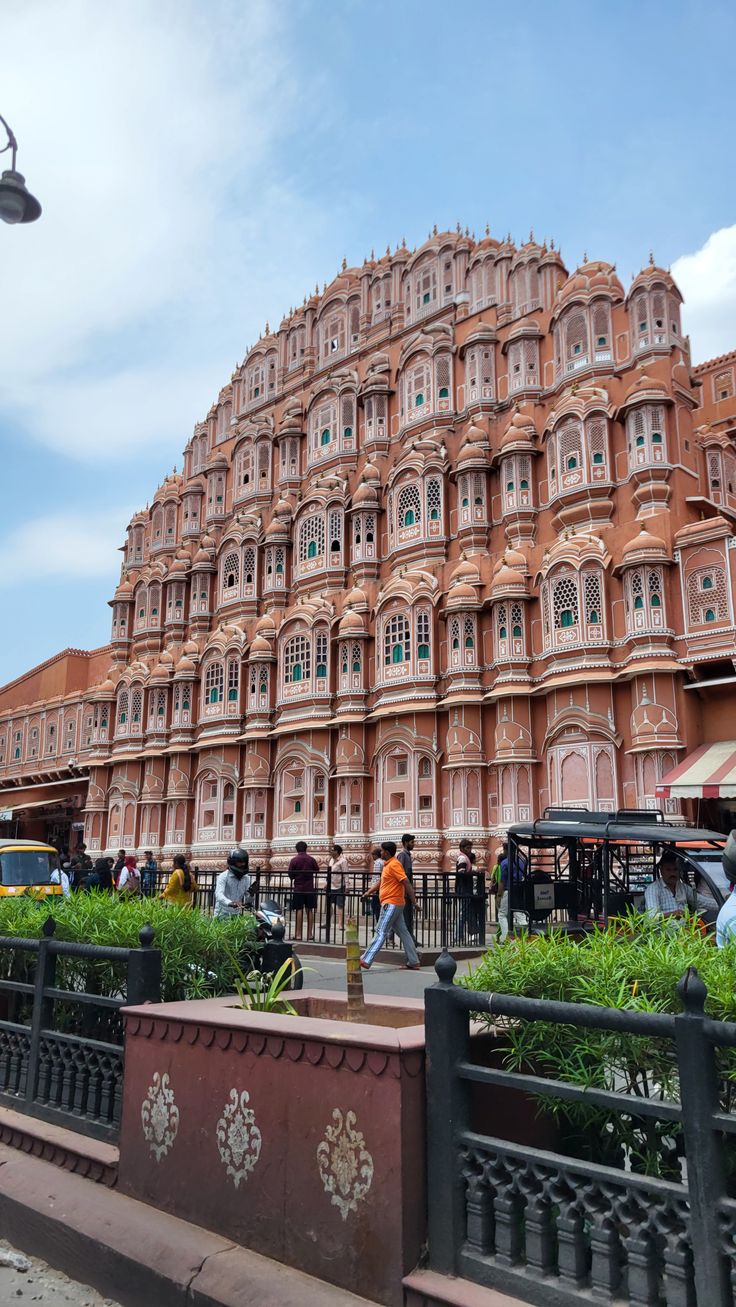
Hawa Mahal, commonly called the “Palace of Winds,” stands as one of Jaipur’s most renowned architectural landmarks and embodies the royal legacy of the Pink City. Constructed in 1799 by Maharaja Sawai Pratap Singh, the palace was crafted by architect Lal Chand Ustad, combining the distinctive Rajput style with Mughal elements. Built from red and pink sandstone, Hawa Mahal is celebrated for its distinctive honeycomb-like exterior, adorned with 953 small windows called jharokhas. These finely carved windows facilitated airflow through the palace, naturally cooling it during Rajasthan’s scorching summers a feature that led to its nickname, “Palace of Winds.” The palace was constructed specifically for the royal women of the court, allowing them to watch street festivals, parades, and everyday activity in the lively bazaars beneath, while remaining unseen by the public, in line with the royal purdah custom. Though it looks impressive from the outside, Hawa Mahal is actually quite narrow and stands five stories tall, featuring ornate balconies, arches, and domed rooftops. Visitors at the top can take in sweeping views of Jaipur City, with the lively markets and surrounding historical landmarks in sight.